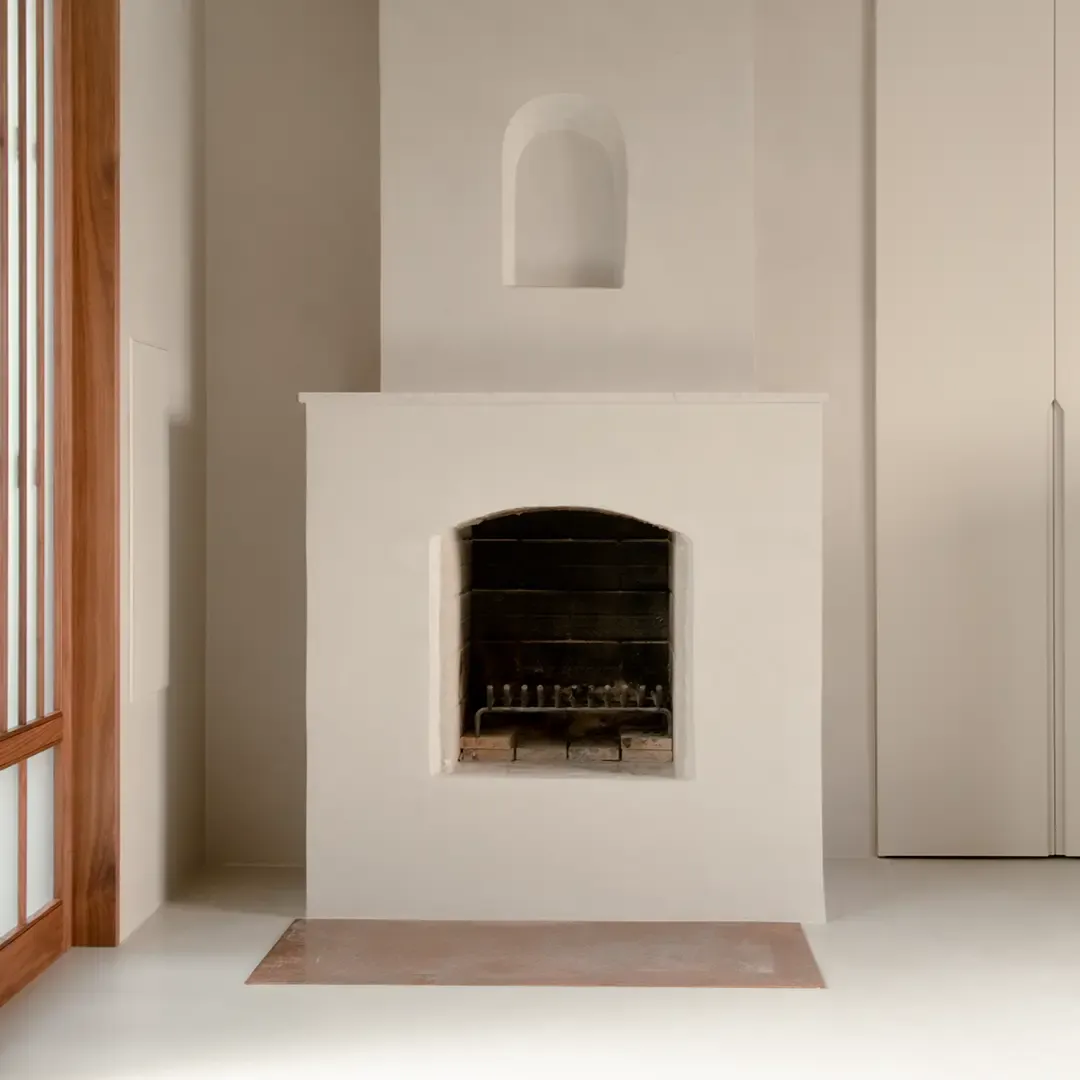
Wabi-sabi walls: clay and terracotta finishes
7 min read · 19 Oct 2026
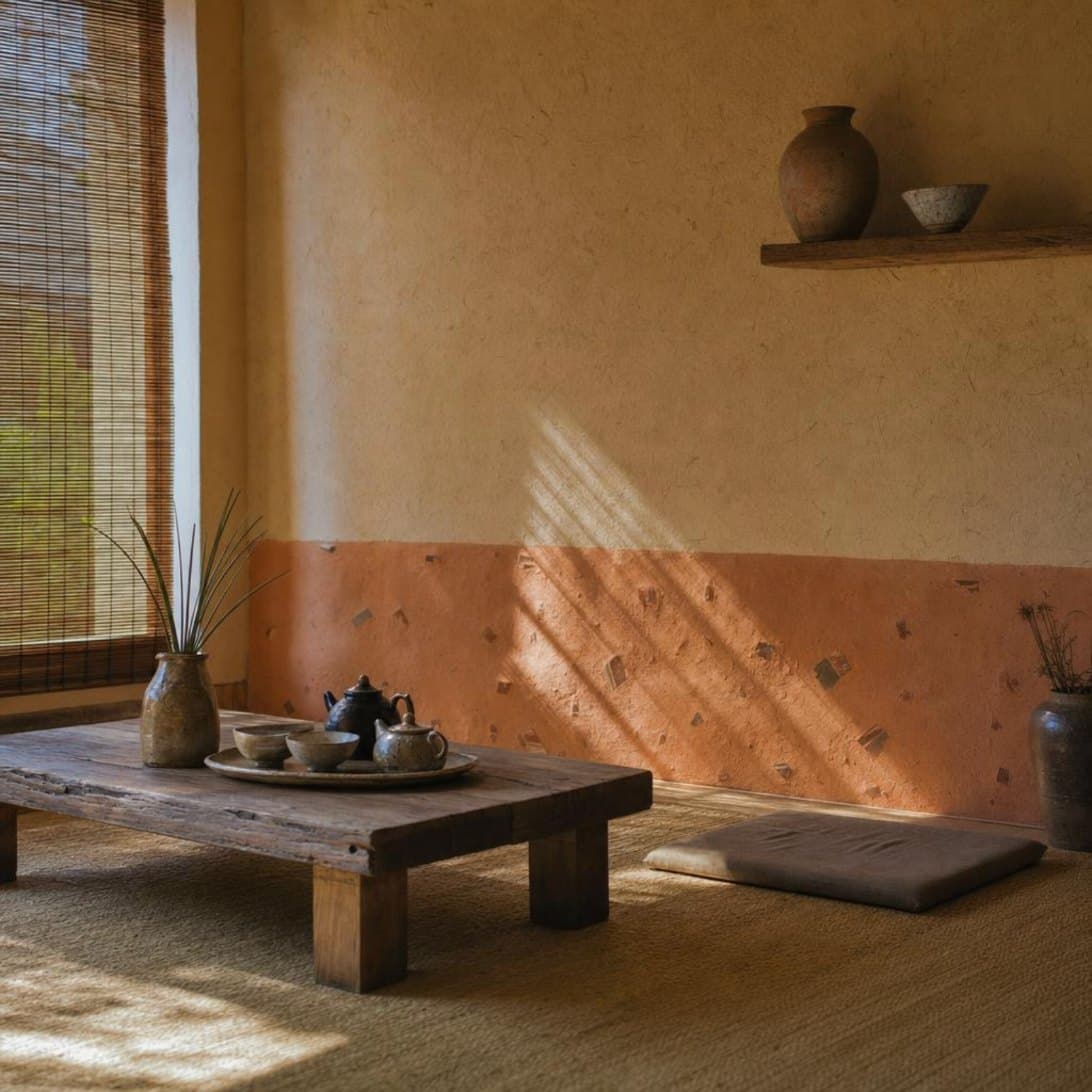
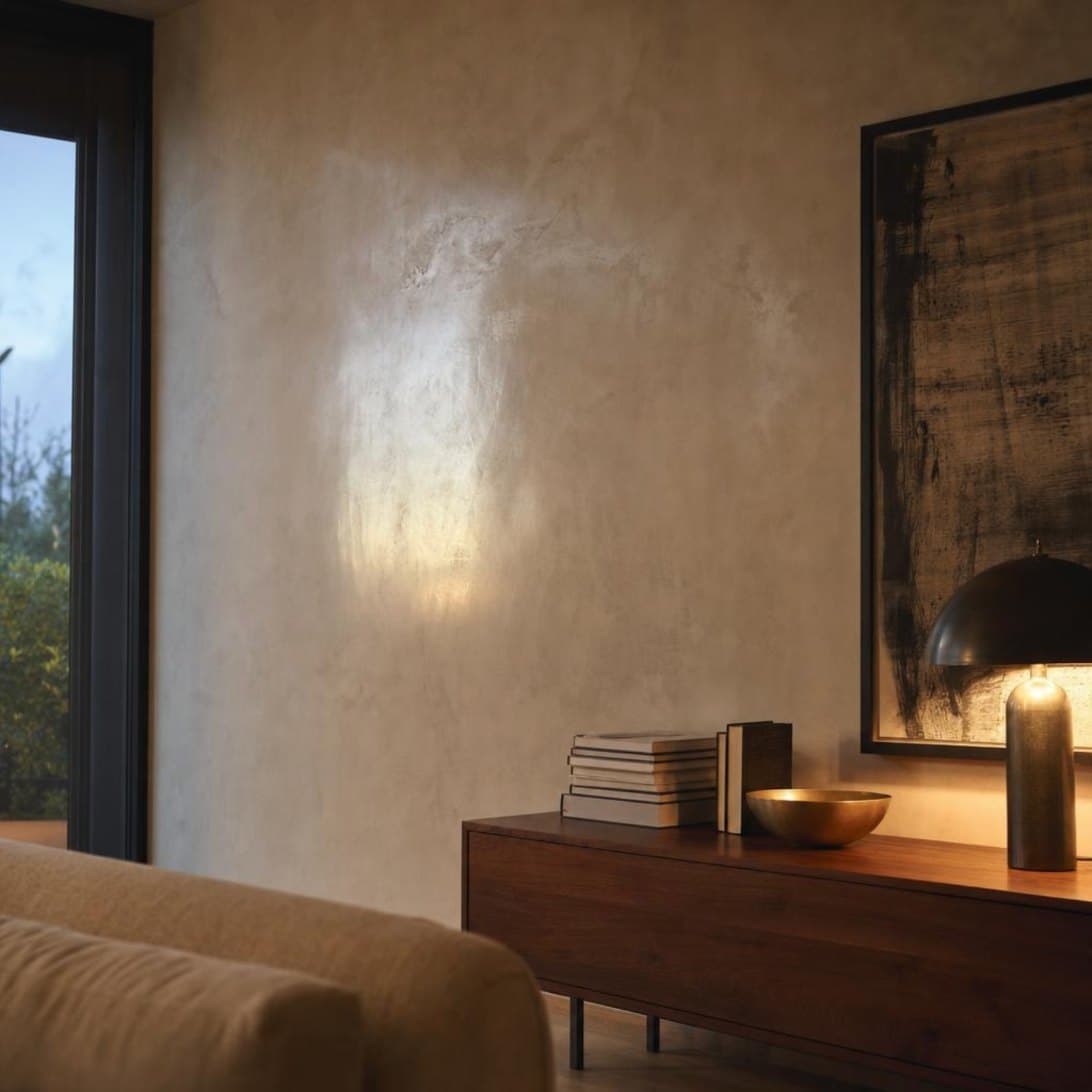
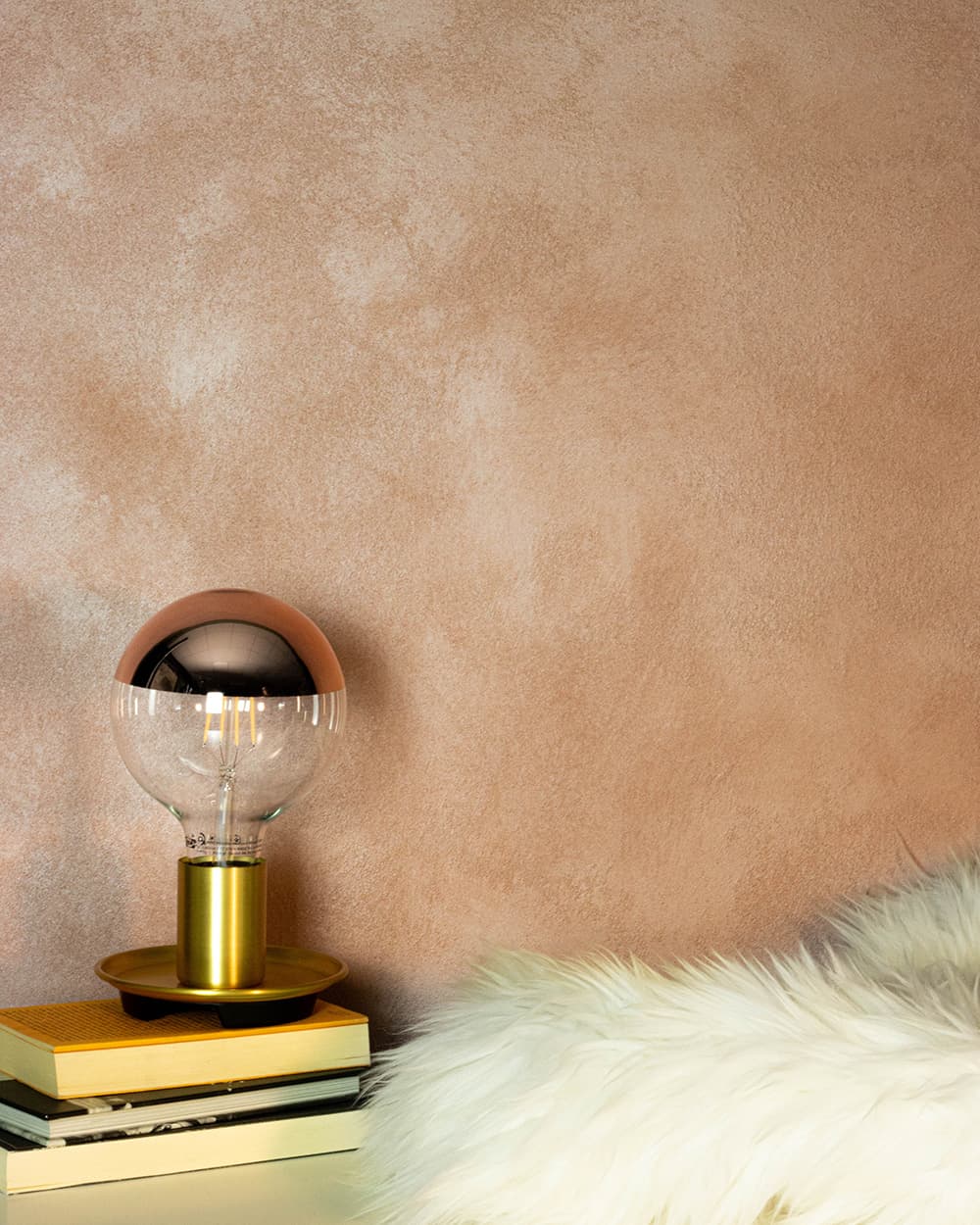
A wabi-sabi wall is a hand-finished mineral surface, usually clay, lime or terracotta-toned plaster, with soft movement, gentle variation in colour and a matt, natural feel. In Thailand you can get the look with clay and lime finishes such as Archi+ Argilla, CalceCruda and Materia Viva Cocciopesto, applied by trowel over a prepared wall.
Wabi-sabi is a Japanese idea about beauty in things that are simple, imperfect and shaped by time. On a wall, that means surfaces that show the hand that made them and colours taken from earth, stone and fired clay. This guide explains the main material options, how they differ, and what to plan for in a Thai home, hotel or café.
What makes a wall feel wabi-sabi
Three things matter more than any single product.
- Texture you can see in side light. Soft trowel marks, gentle crinkles or visible natural fragments.
- Earthy, low-contrast colour. Clay, sand, warm grey, terracotta and off-white, with slight shifts across the wall.
- A matt or softly sheened surface. High gloss works against the look.
Mineral finishes based on clay and lime suit this well, because their colour and texture vary naturally as they are trowelled and cure. That variation is part of the result, so approve a sample before you commit to a whole room.
Clay walls: Archi+ Argilla and CalceCruda
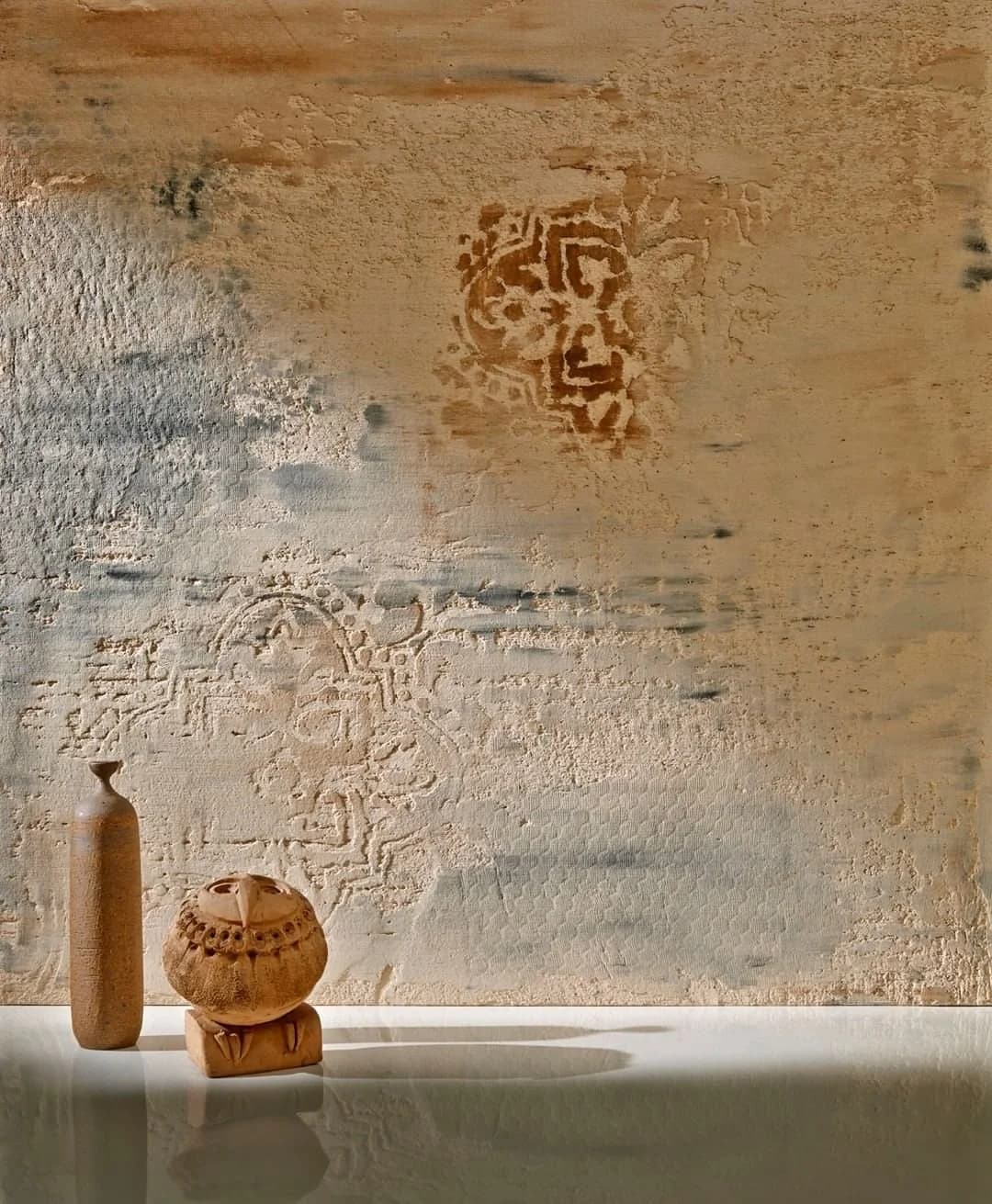
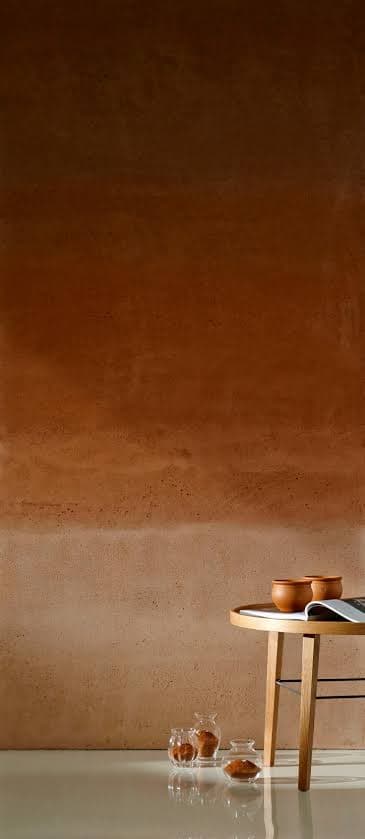
Archi+ Argilla is a clay and lime mineral plaster made with natural clay, lime and selected aggregates. It gives a warm, natural clay look, either smooth or lightly striped. It is listed for interior walls, goes on in a single coat over plaster, plasterboard and existing paint, and is rated A+ for indoor air quality. For a calm bedroom, a living room feature wall or a spa corridor, it is the most direct route to an earthen wall.
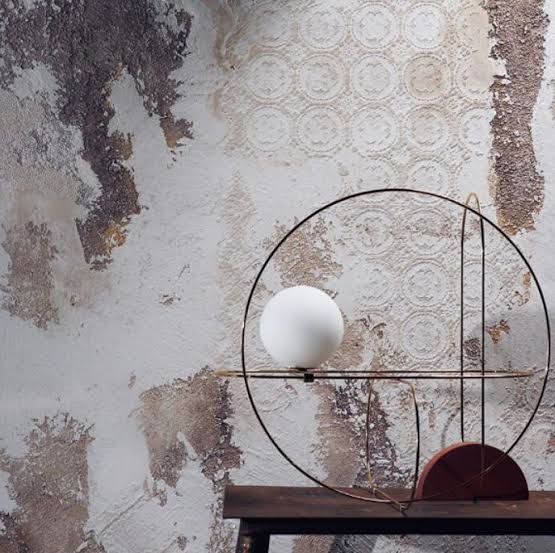
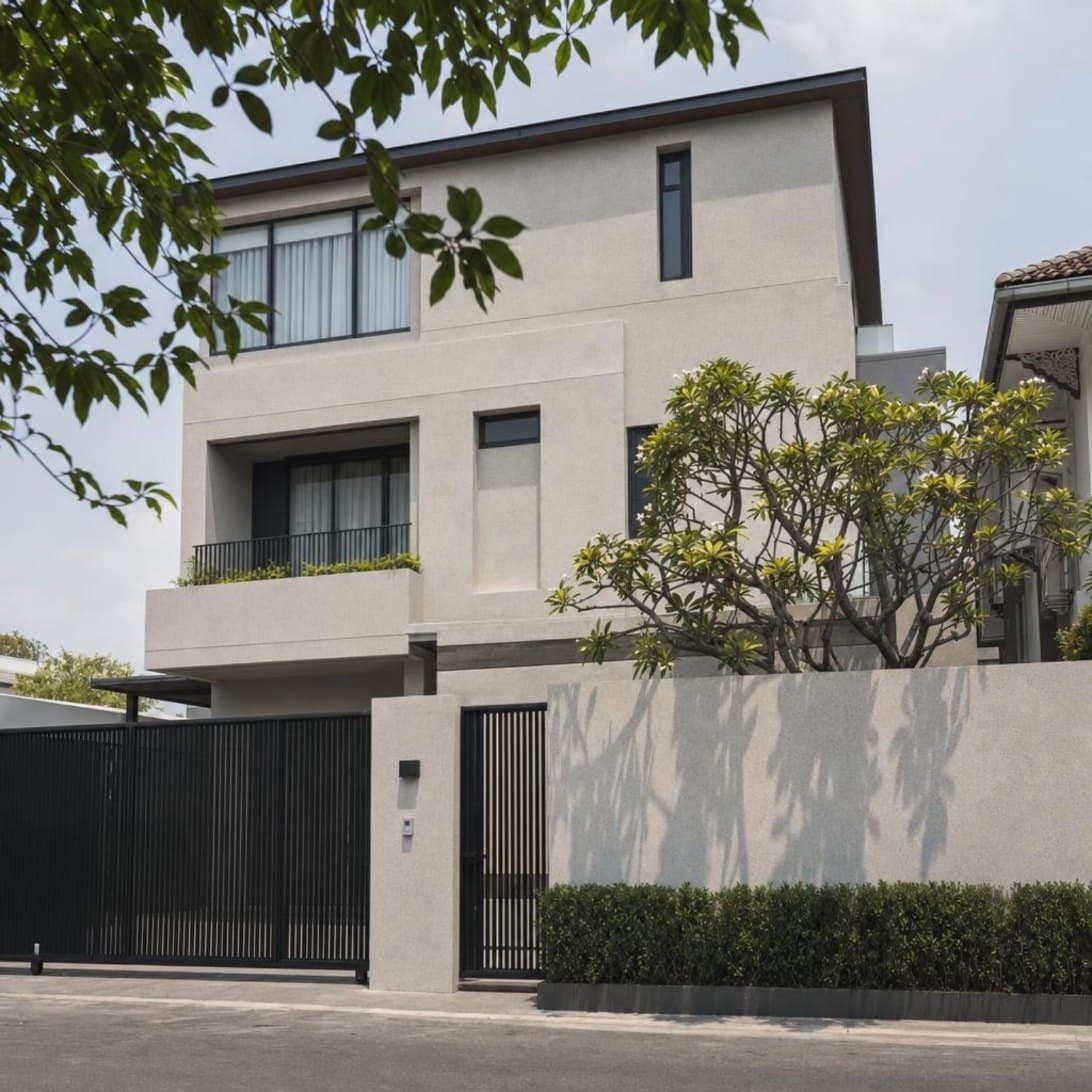
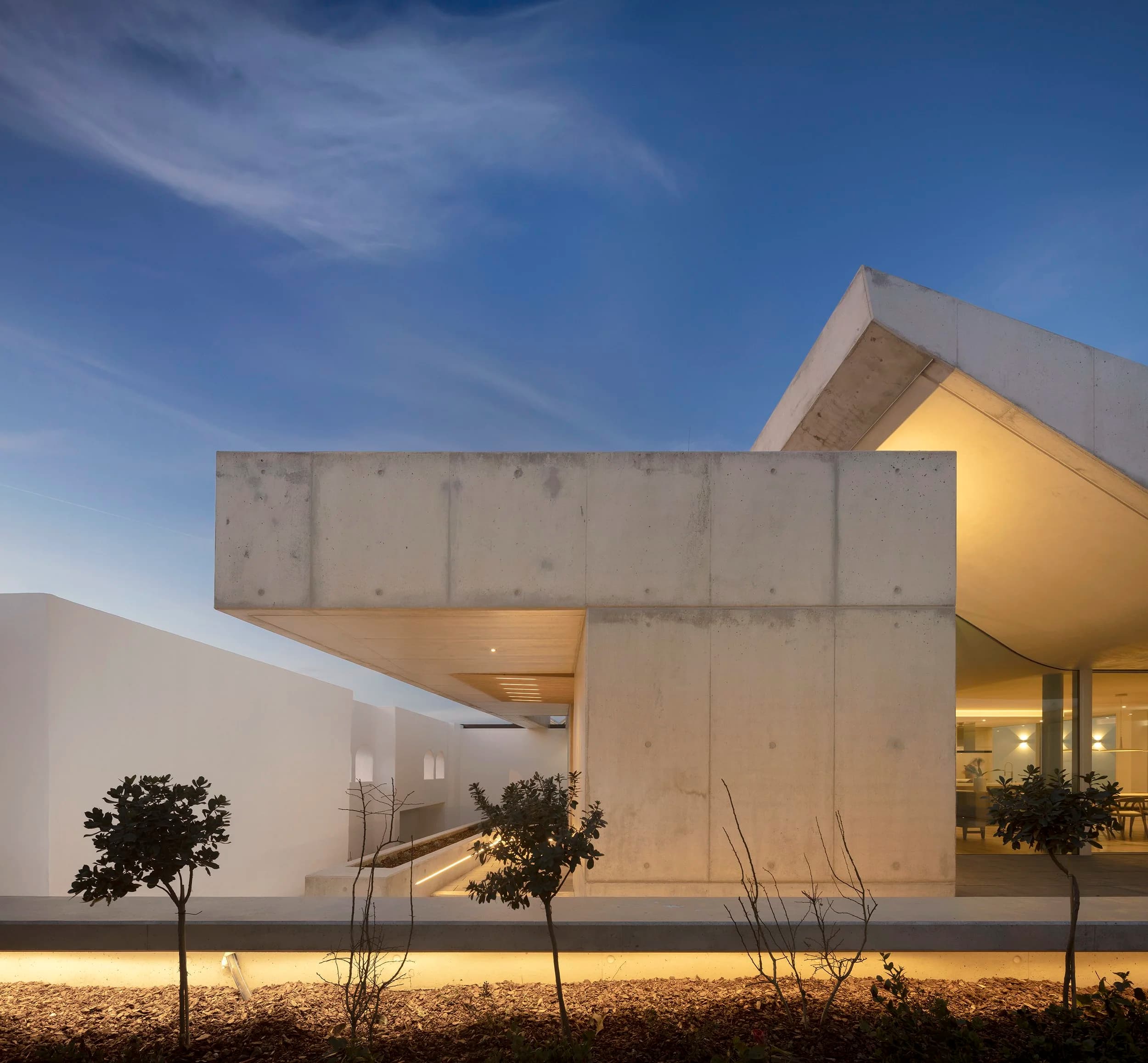
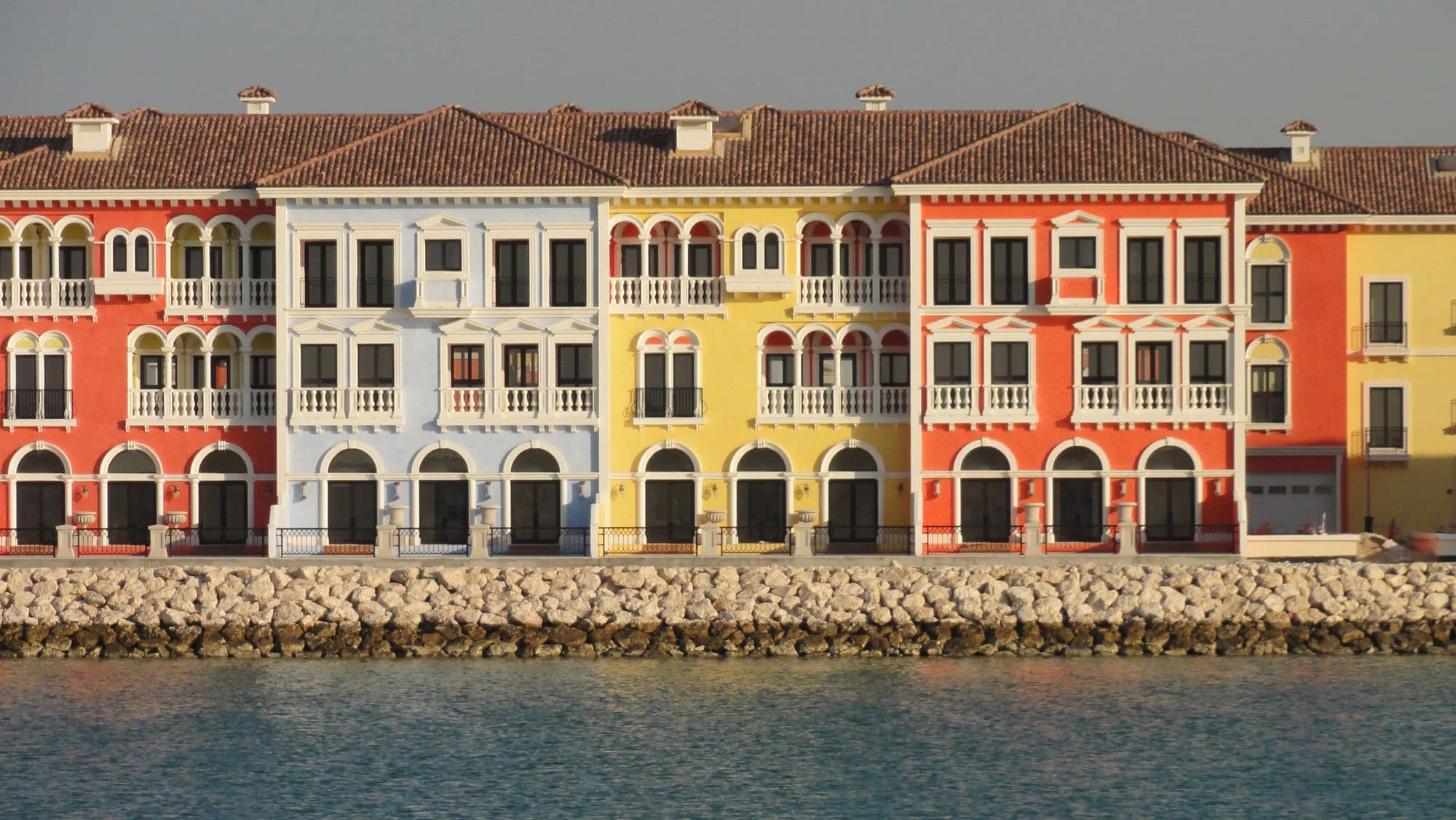
CalceCruda is a breathable mineral coating made from lime, purified clay, natural sand and marble. Its softly crinkled texture and warm, natural tones give a quiet, comfortable feel. It is ready to use, formaldehyde-free, rated A+ for indoor air quality, and listed for interior and exterior walls. That makes it the option to look at when you want the same earthy character to continue onto a covered terrace or an outside wall.
Terracotta walls: Materia Viva Cocciopesto
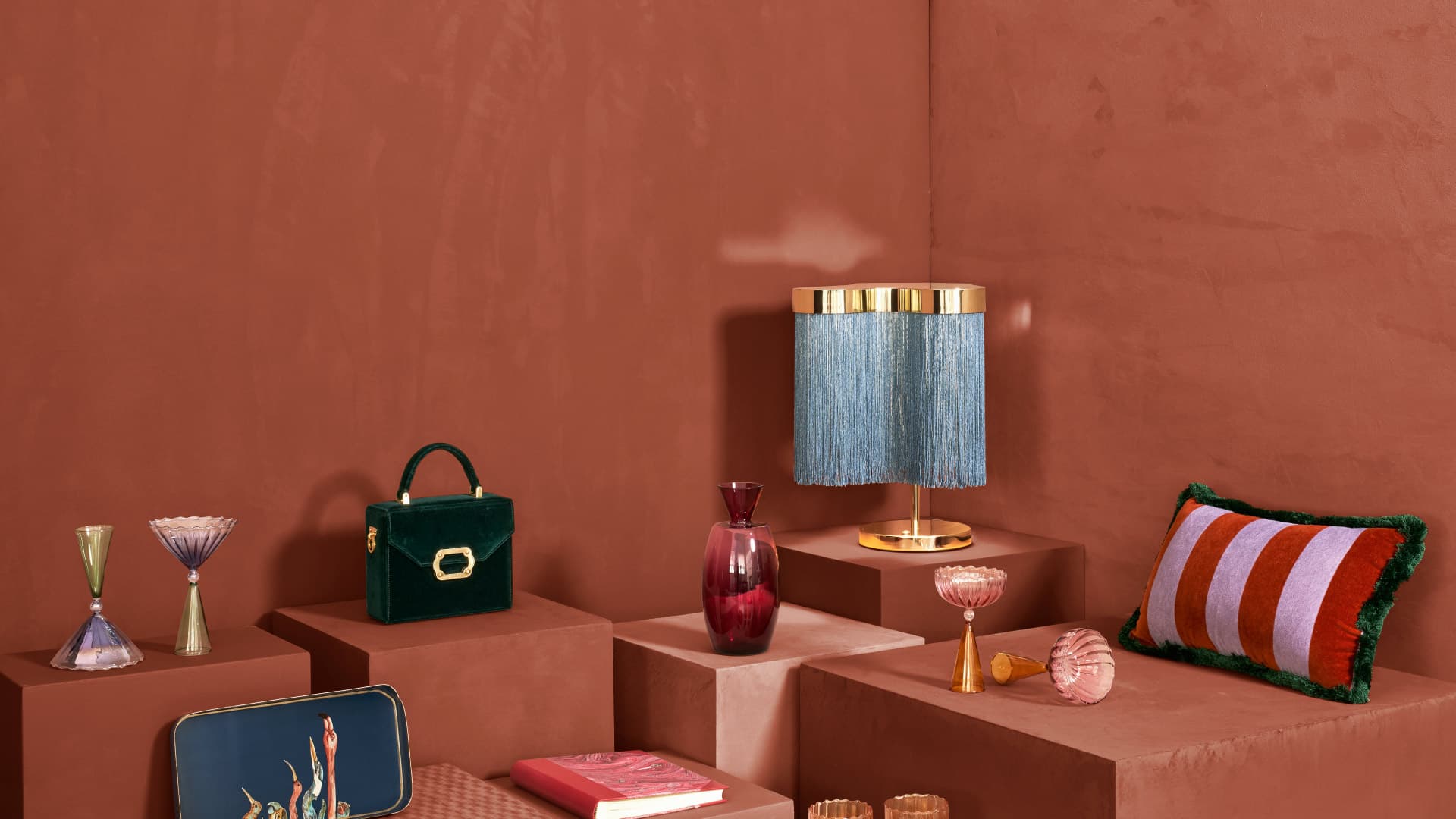
Cocciopesto is a historic Italian plaster made with crushed fired brick and tile in lime. Materia Viva Cocciopesto is a modern take on it: crushed brick and tile mixed into the Materia Viva lime-based mineral base, for interior walls. The finish is textured, with warm terracotta fragments visible in the surface, which gives depth and a heritage feel.
It suits restaurants, wine rooms, hotel lobbies and any space that wants a sense of age without looking distressed on purpose. Pair it with timber, linen and unglazed ceramics.
Other natural textures in the same family
Materia Viva includes other natural additions in the same lime-based mineral base, all listed for interior walls.
- Materia Viva Canapa blends natural hemp fibres into the base. The visible fibres give a slightly uneven, handcrafted surface with warm, soft tones.
- Materia Viva Conchiglia mixes in crushed shells of various sizes. The mother-of-pearl pieces catch the light, for a brighter, coastal take on a natural wall.
For a smoother, quieter wall in the same mood, Teodorico is a lime finish of seasoned lime putty and fine marble powder with a smooth, semi-polished, marble-like surface, for interior and exterior walls.
Comparing the options
| Finish | Main ingredients | Look | Listed use |
|---|---|---|---|
| Archi+ Argilla | Natural clay, lime, selected aggregates | Warm clay, smooth or lightly striped | Interior |
| CalceCruda | Lime, purified clay, natural sand, marble | Softly crinkled, warm natural tones | Interior and exterior |
| Materia Viva Cocciopesto | Lime-based base with crushed brick and tile | Textured, visible terracotta fragments | Interior |
| Materia Viva Canapa | Lime-based base with hemp fibres | Slightly uneven, visible fibres | Interior |
| Materia Viva Conchiglia | Lime-based base with crushed shells | Textured, light-catching shell pieces | Interior |
| Teodorico | Lime putty, fine marble powder | Smooth, semi-polished, marble-like | Interior and exterior |
Coverage, number of coats, base coat and curing for each finish are in its technical data sheet, linked from the product page. Do not assume one product's method applies to another.
Planning a clay or terracotta wall in Thailand
Thai buildings deal with heat, humidity and, on ground floors, rising damp. Mineral finishes look their best on a sound, dry wall, so fix cracks and the cause of any damp before applying. Peeling paint should come off. For interior Archi+ finishes and lime plasters, Archi+ Fondo is a lime-based base coat that gives an even, well-keyed surface for adhesion.
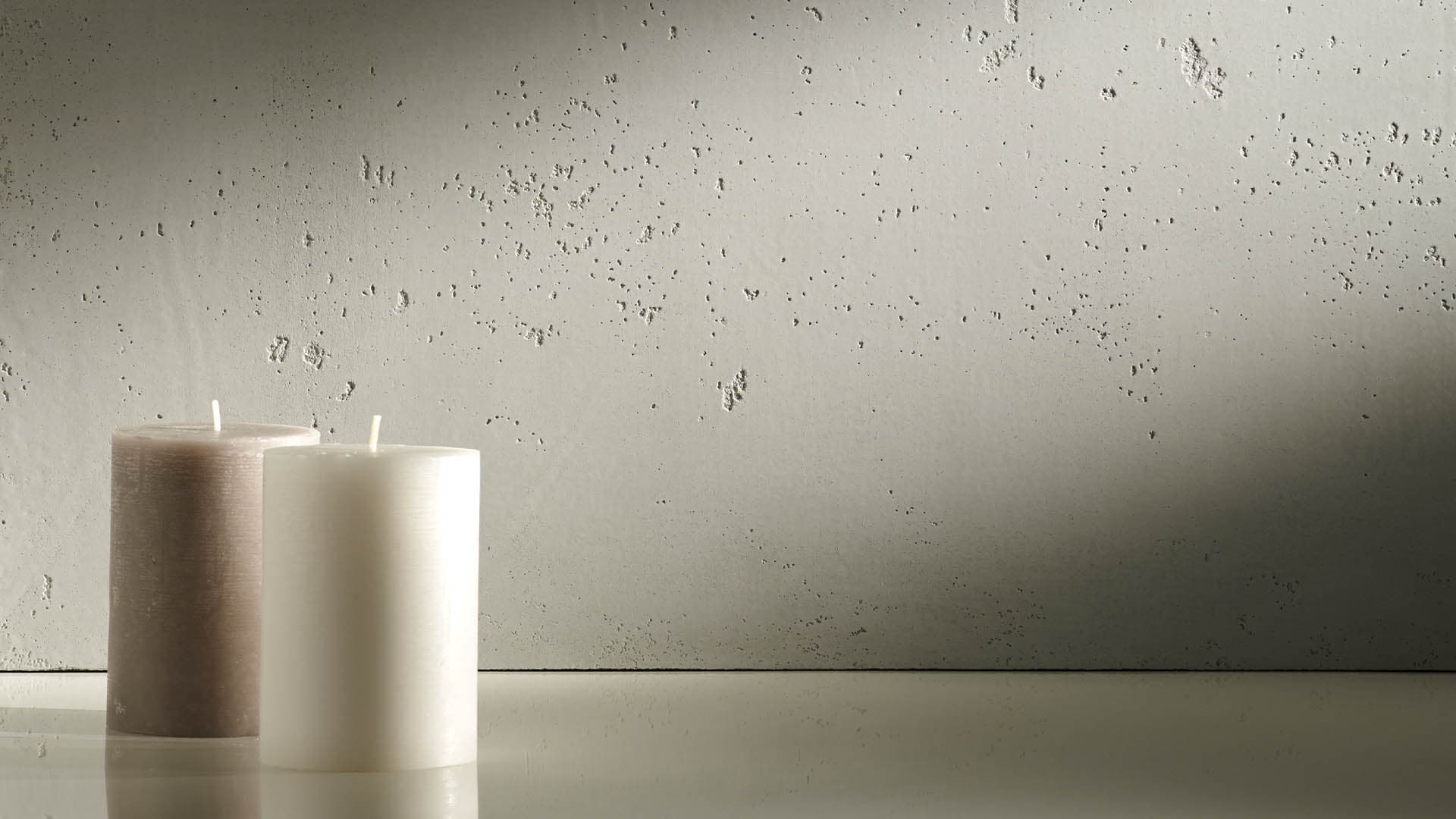
For bathrooms, kitchens splashbacks or other wet areas, check with Dyno before choosing. None of the product pages above lists wet-area use, and the right answer depends on the product and the detail. For a wall that needs a water-resistant lime finish, read our guide to tadelakt in the bathroom. If you like the raw, grey end of the natural look, see bare and polished concrete walls, and for softer colour washes, the limewash guide.
Light changes these finishes a lot. A wall lit from the side by a window or wall washer shows every trowel movement. Even, flat light makes it read calmer. Look at samples at the time of day the room is used most.
Getting it done in Thailand
You can see and touch clay, lime and terracotta finishes under real light at Dyno's showroom in Bang Phli, Samut Prakan, Monday to Friday, 08:00 to 17:00, and take samples home to check against your own light. Dyno is the official Novacolor distributor in Thailand, tints to the Novacolor colour system, and can supply material only or supply and apply with its own crews across Thailand. Prices are on request. Call 02-738-4111, message LINE @dynopaints, or email marketing@dynopaints.com.
Frequently asked questions
What is the best material for a wabi-sabi wall?
Clay and lime finishes suit the look best. Archi+ Argilla gives a warm clay wall, CalceCruda a softly crinkled lime and clay surface, and Materia Viva Cocciopesto a terracotta texture.
Can I use a clay finish on an exterior wall?
CalceCruda is listed for interior and exterior walls. Archi+ Argilla and the Materia Viva finishes are listed for interior walls.
Can these finishes go in a bathroom?
The product pages do not list wet-area use, so ask Dyno before choosing one for a bathroom or splashback. For wet areas, tadelakt is the usual lime option.
Can Archi+ Argilla go over painted walls?
Yes. The product page lists application in a single coat over plaster, plasterboard and existing paint. The wall should be sound, so remove any flaking paint first.