Venetian plaster and marmorino: how polished lime walls work
7 min read · 19 Oct 2026
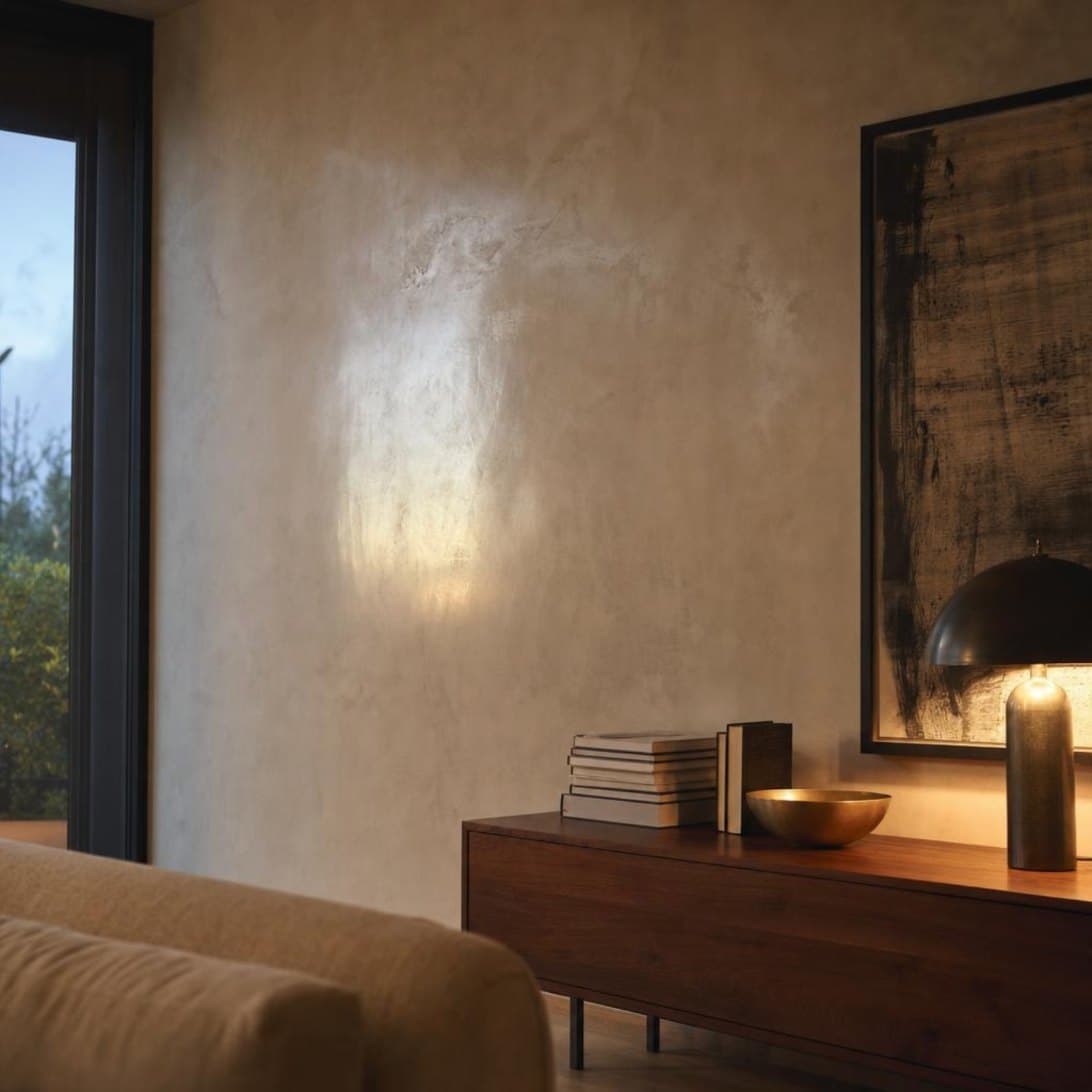
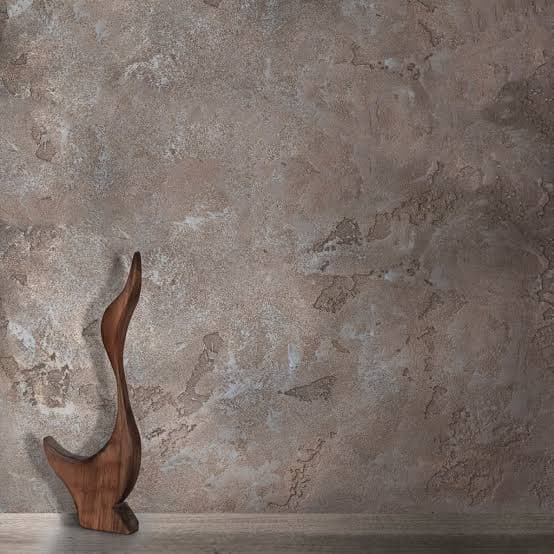
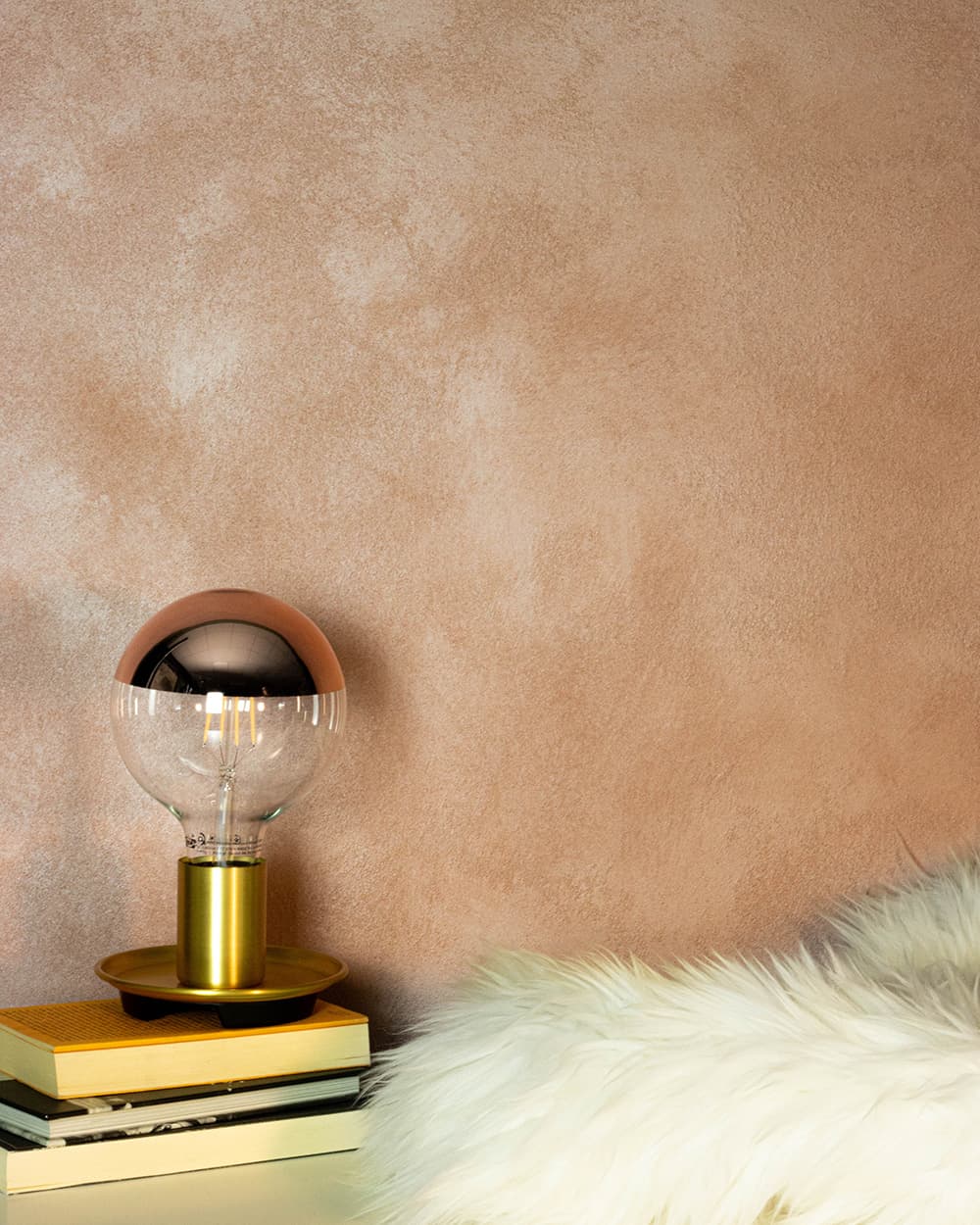
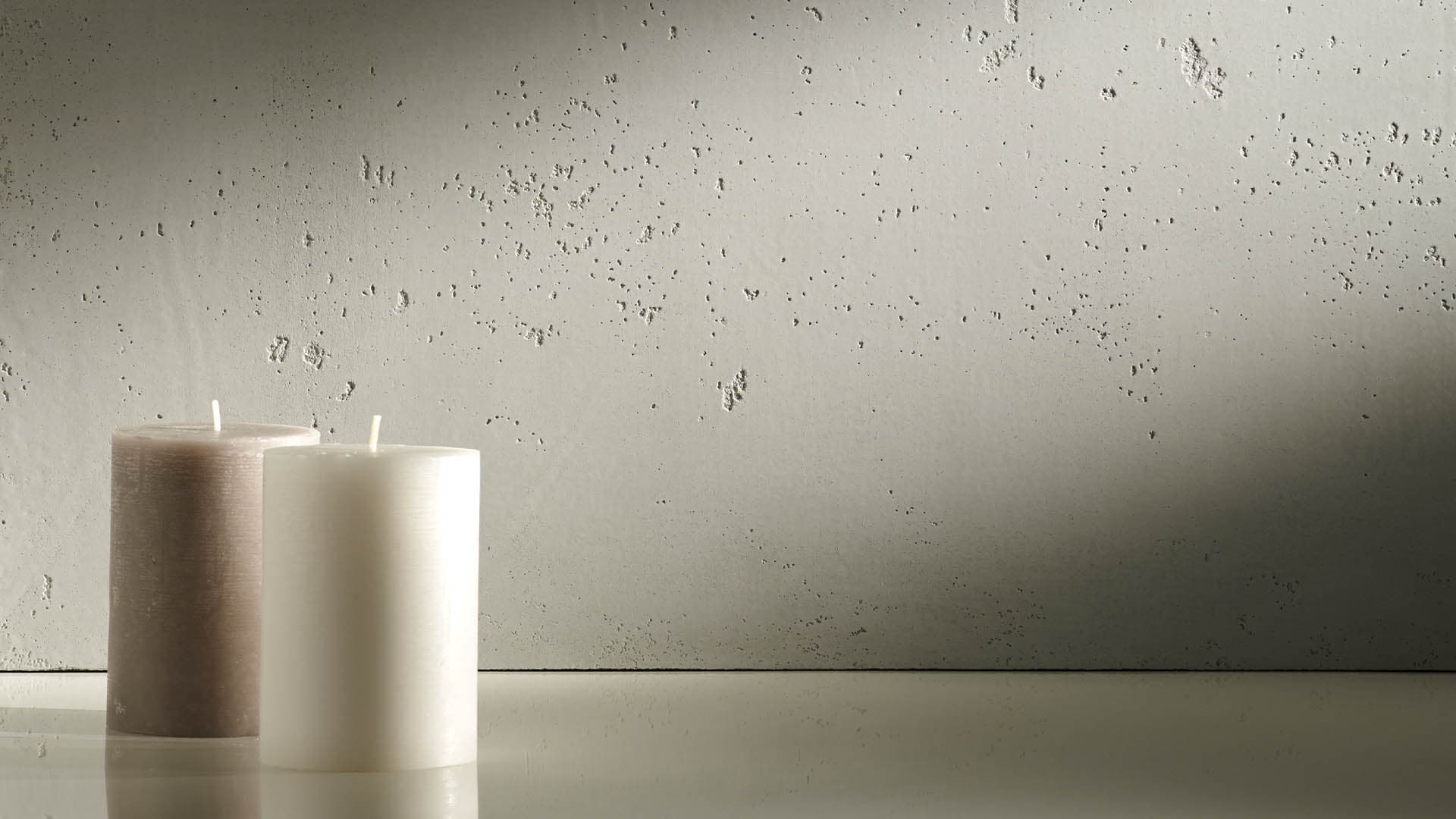
Venetian plaster is a lime plaster made from slaked lime and fine marble powder, applied in thin layers with a steel trowel and burnished to a surface that looks like soft, polished stone. Marmorino is one traditional type of Venetian plaster, usually with a slightly coarser marble grain and a satin to matte finish.
In Thai, people search for เวเนเซียน or มาร์โมริโน่. This guide explains how the finish works, how the main variants differ, where it suits Thai homes and hospitality projects, and which lime products on the Dyno site give each look.
What Venetian plaster is made of
The base is seasoned lime putty, which is lime that has been slaked and left to mature. It is mixed with marble powder of a chosen grain size and tinted with pigment. The plaster is laid on in very thin coats, each one pressed and smoothed with a steel trowel.
As the lime cures, it reacts with carbon dioxide in the air and hardens back into calcium carbonate. Pressing the final coat with the trowel compacts the surface and aligns the fine particles, which gives the depth and soft sheen. Because each pass is done by hand, no two walls look exactly the same.
Marmorino, polished Venetian and other terms
The names overlap, and suppliers use them differently. As a rough guide:
- Marmorino is the traditional Venetian lime and marble finish. It is often left satin or matte, with soft cloud movement and a slightly stony feel.
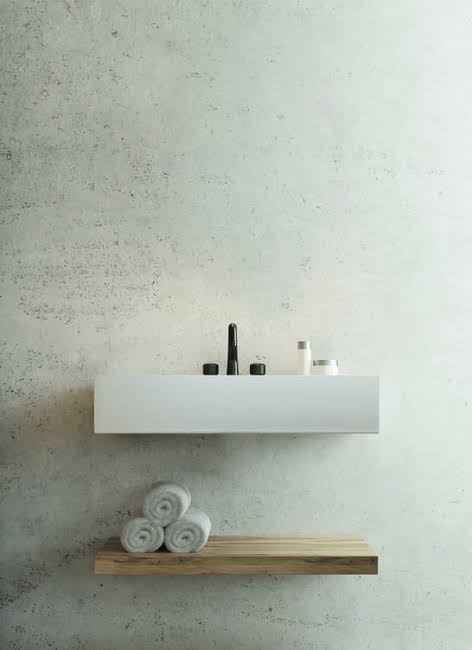
- Polished Venetian plaster uses finer marble and more burnishing to reach a smoother, more reflective surface.
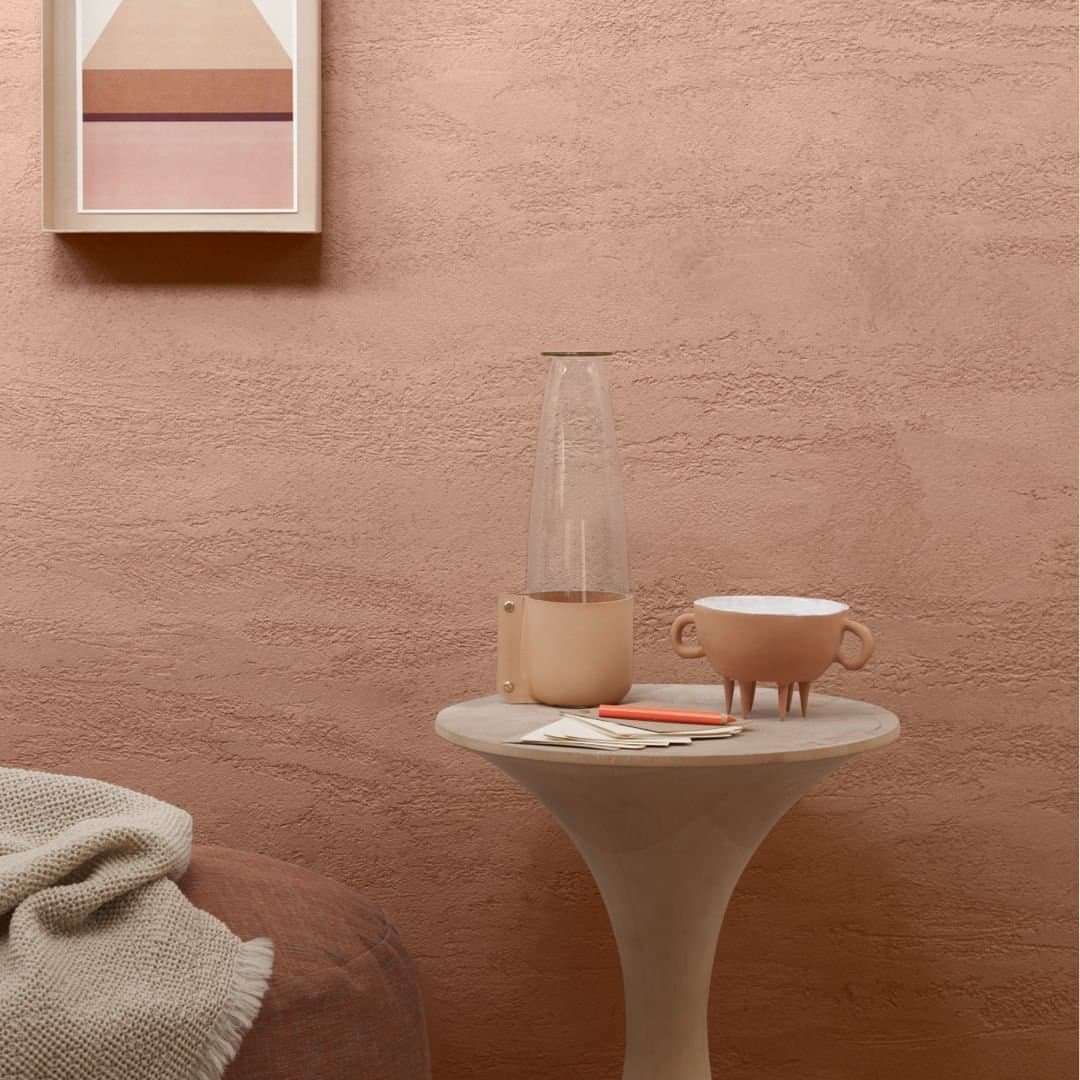
- Grain size changes the character. Finer grain gives a smoother, quieter wall. Medium grain gives more texture and depth.
The applicator's technique matters as much as the material. The same product can look calm and cloudy or bold and marbled depending on how it is troweled.
Lime finishes on the Dyno site compared
| Product | What the site says | Look | Use |
|---|---|---|---|
| Marmorino KS | Seasoned lime putty and fine marble powder, Venetian marmorino tradition | Soft cloud-like effects or a smooth satin surface | Interior and exterior walls |
| Marmur Fine | Lime trowel finish with fine marble powder | Fine texture, soft cloud-like effects | High-end interior and exterior walls |
| Marmur Medio | Medium-grain version of Marmur | Fuller texture, more depth in the clouding | Interior and exterior walls |
| Teodorico | Lime putty and fine marble powder | Smooth, semi-polished marble look, optional gold, silver or bronze effects | High-end interior and exterior walls |
All four are listed as ready to use with A+ indoor air quality. Coverage, number of coats and drying times are not listed on the product pages. They are in each technical data sheet, so ask Dyno for the TDS when you plan a project.
Marmorino KS
Marmorino KS is the classic choice when you want true marmorino. It can be worked into soft clouds or a smooth satin finish, and the site notes that it bonds chemically with lime plaster.
Marmur Fine and Marmur Medio
Marmur Fine and Marmur Medio are the same lime and marble finish in two grain sizes. Choose Fine for a quieter, smoother wall in bedrooms or lobbies. Choose Medio when you want the cloud effect to read from further away, for example on a tall feature wall.
Teodorico
Teodorico gives a smoother, semi-polished marble look. It can be finished with gold, silver or bronze effects, which suits hotel lobbies, restaurant feature walls and luxury retail. For more on metallic finishes, see our metallic wall guide.
Why lime works in Thai conditions
Lime finishes are vapour-open. Moisture inside the wall can leave through the surface instead of being trapped, which helps avoid the blistering that film paints can show on humid walls. This is useful in Thailand's climate, but it does not replace proper damp control. Fix leaks and rising damp first.
Heat matters during application. Lime that dries too fast in direct sun or strong airflow can lose its sheen or show marks. Crews plan the work for steady conditions and protect exterior walls from sun and rain while they cure. For outdoor walls in general, read exterior walls in Thai weather.
How it is applied
- Prepare the wall. The surface must be sound, flat and dry. Venetian plaster shows every bump, so flatness matters.
- Base coat. On interior walls, Archi+ Fondo is a lime-based base coat the site lists for preparing walls before lime plasters. Follow the TDS for the right base on your surface.
- Thin layers. The applicator lays on thin coats with a steel trowel, building colour and movement.
- Burnish. The final coat is pressed with the trowel to bring up the sheen.
- Protect if needed. In kitchens or high-touch areas, ask about protective treatments listed in the TDS.
Always approve a sample board first. Lime colours dry lighter, and the effect depends on the applicator.
Where Venetian plaster fits
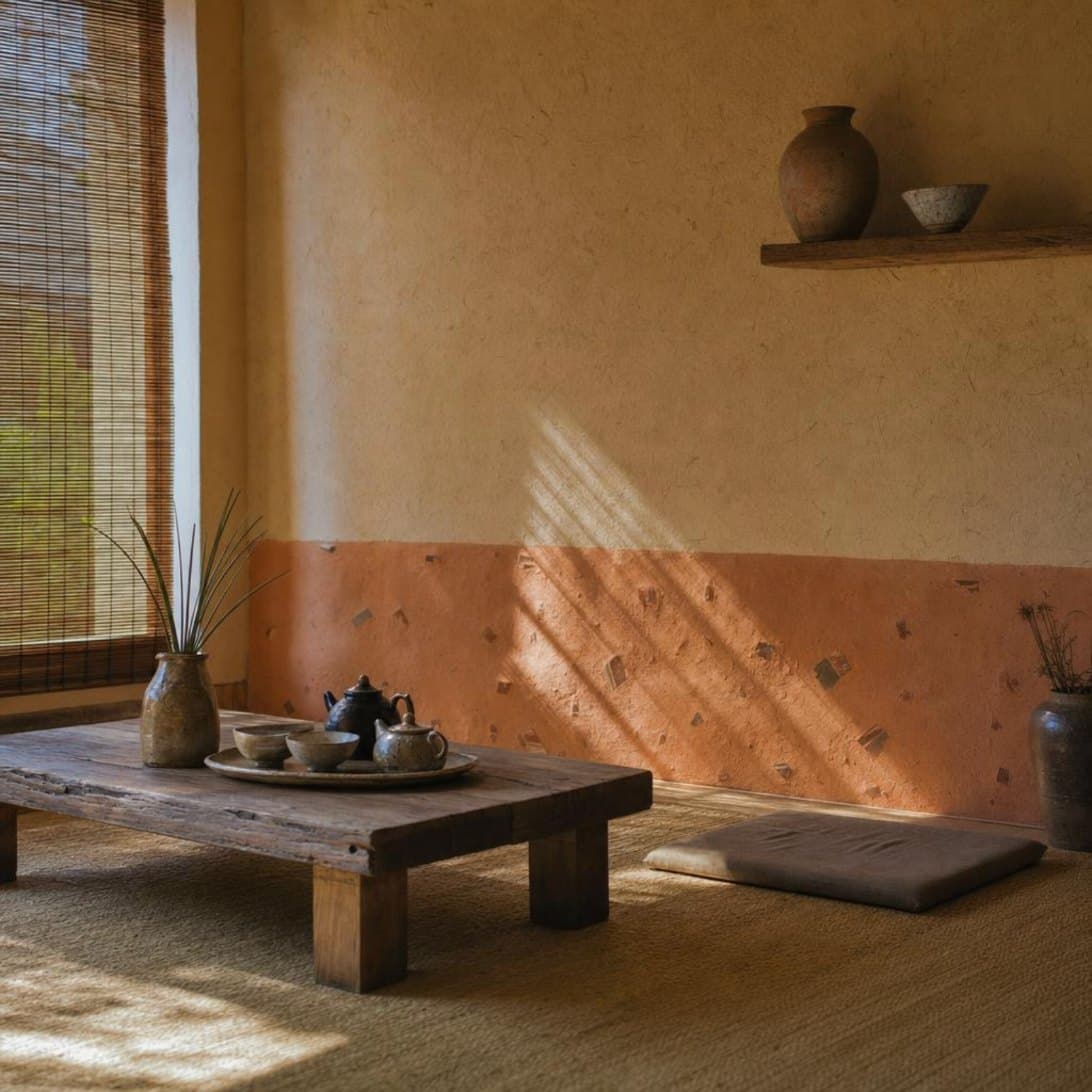
It suits living rooms, master bedrooms, hotel lobbies and corridors, restaurant feature walls, spas and boutique shops. It sits well with natural stone, brass, timber and linen. For a softer, more matte lime look, compare it with limewash. For bathrooms, read our tadelakt bathroom guide before choosing a finish.
Getting it done in Thailand
Dyno is the official Novacolor distributor in Thailand. It holds stock locally and tints to the full Novacolor colour system. Because the result depends so much on technique, see real samples under real light before you decide. The showroom in Bang Phli, Samut Prakan is open Monday to Friday, 08:00 to 17:00.
Dyno runs its own application crews across Thailand, so supply and application can come from one team. Prices are on request and depend on the product, wall and area. See how decorative finishes are priced for what drives the cost. Contact Dyno on 02-738-4111, LINE @dynopaints or marketing@dynopaints.com.
Frequently asked questions
What is the difference between Venetian plaster and marmorino?
Venetian plaster is the broad family of lime and marble trowel finishes. Marmorino is one traditional type, usually satin or matte with a slightly stony texture.
Can Venetian plaster be used outside in Thailand?
Marmorino KS, Marmur Fine, Marmur Medio and Teodorico are listed for interior and exterior walls. Exterior work needs a sound, dry wall and protection from sun and rain while curing; the TDS covers details.
Can I use Venetian plaster in a bathroom or kitchen?
The product pages do not state wet-area suitability. Check the TDS or ask Dyno about protection before using it near water.
How much does Venetian plaster cost per square metre?
Prices are on request because they depend on the product, wall preparation and area. Dyno can quote after a site check.