Stone-texture facades: exterior plaster that handles Thai sun and rain
6 min read · 19 Oct 2026
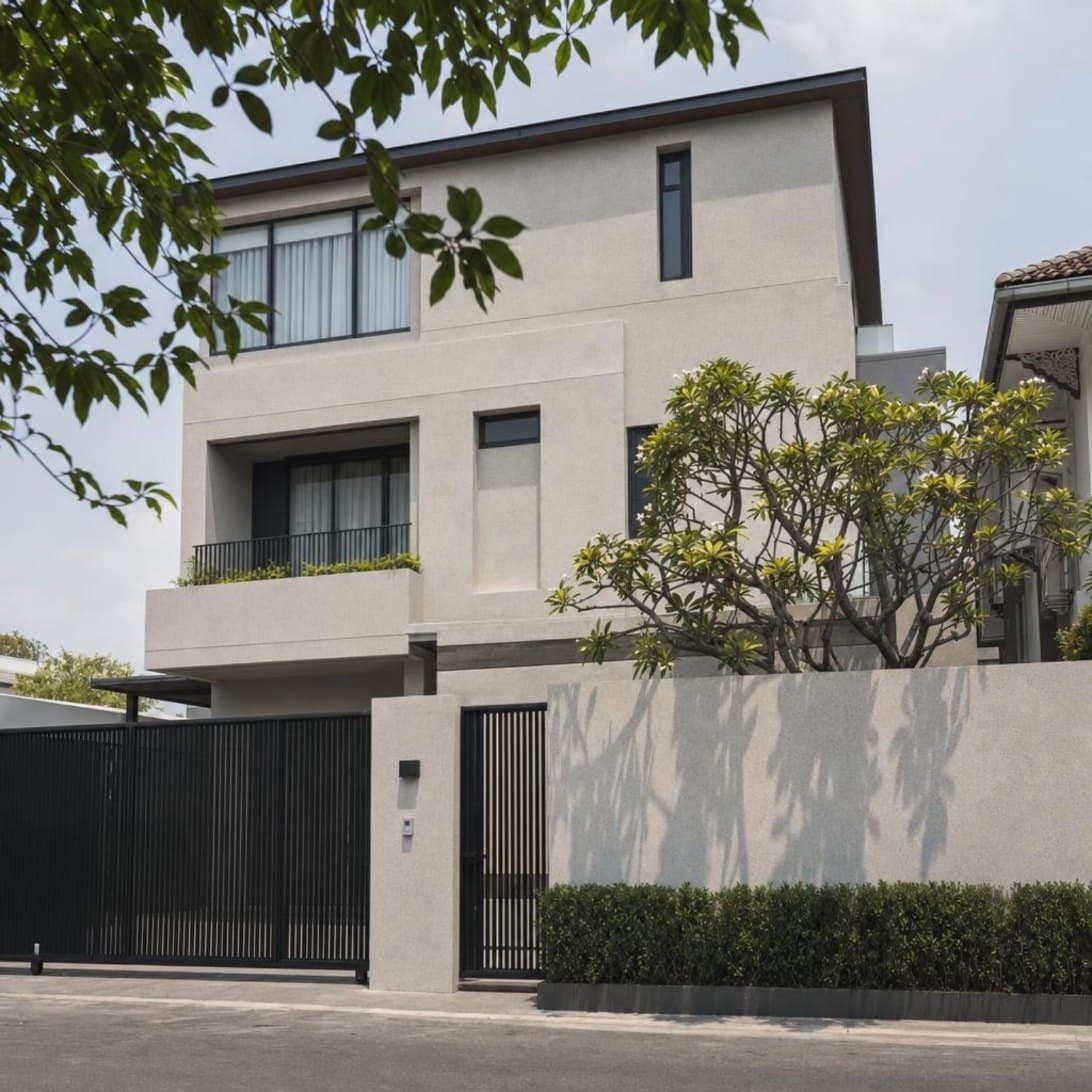
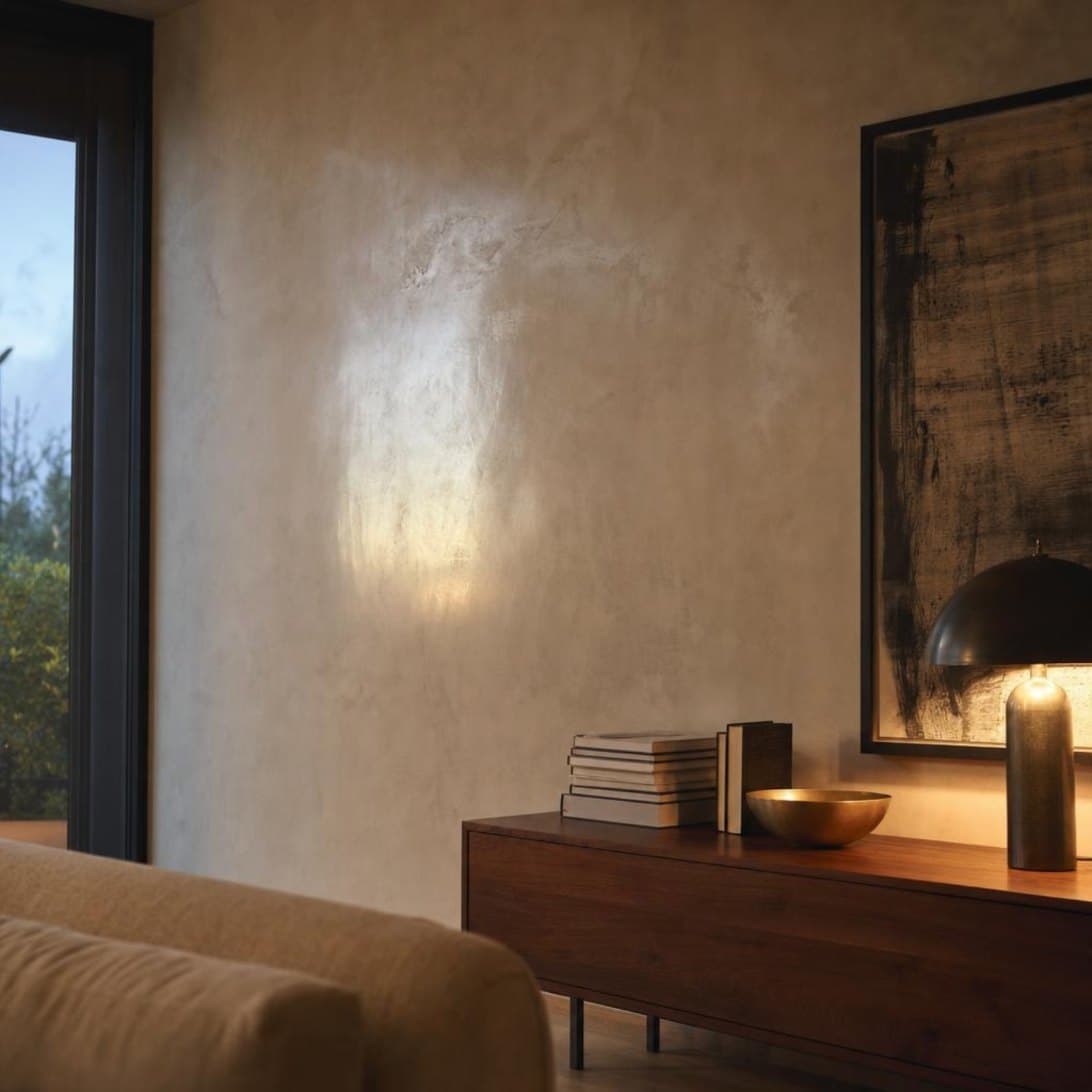
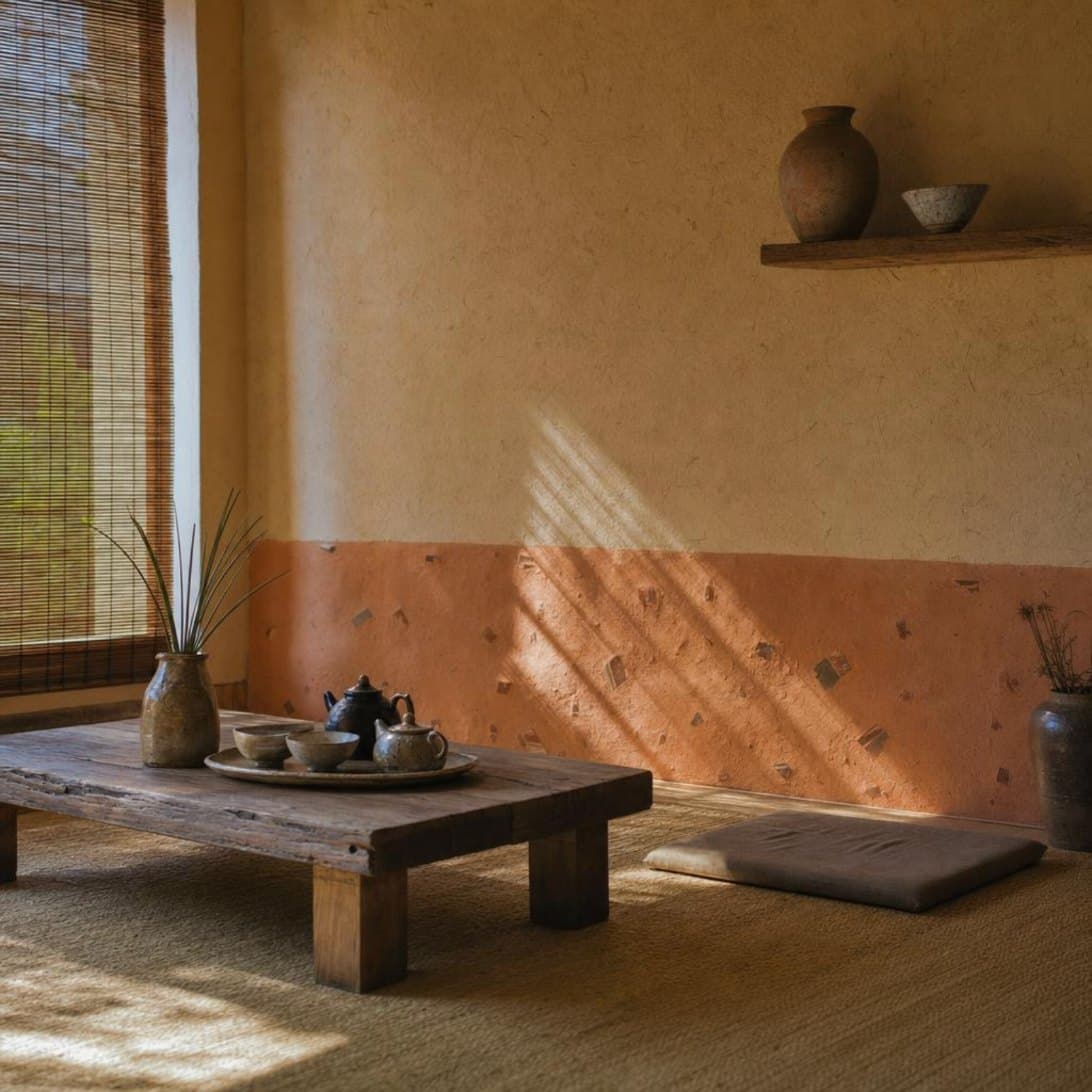
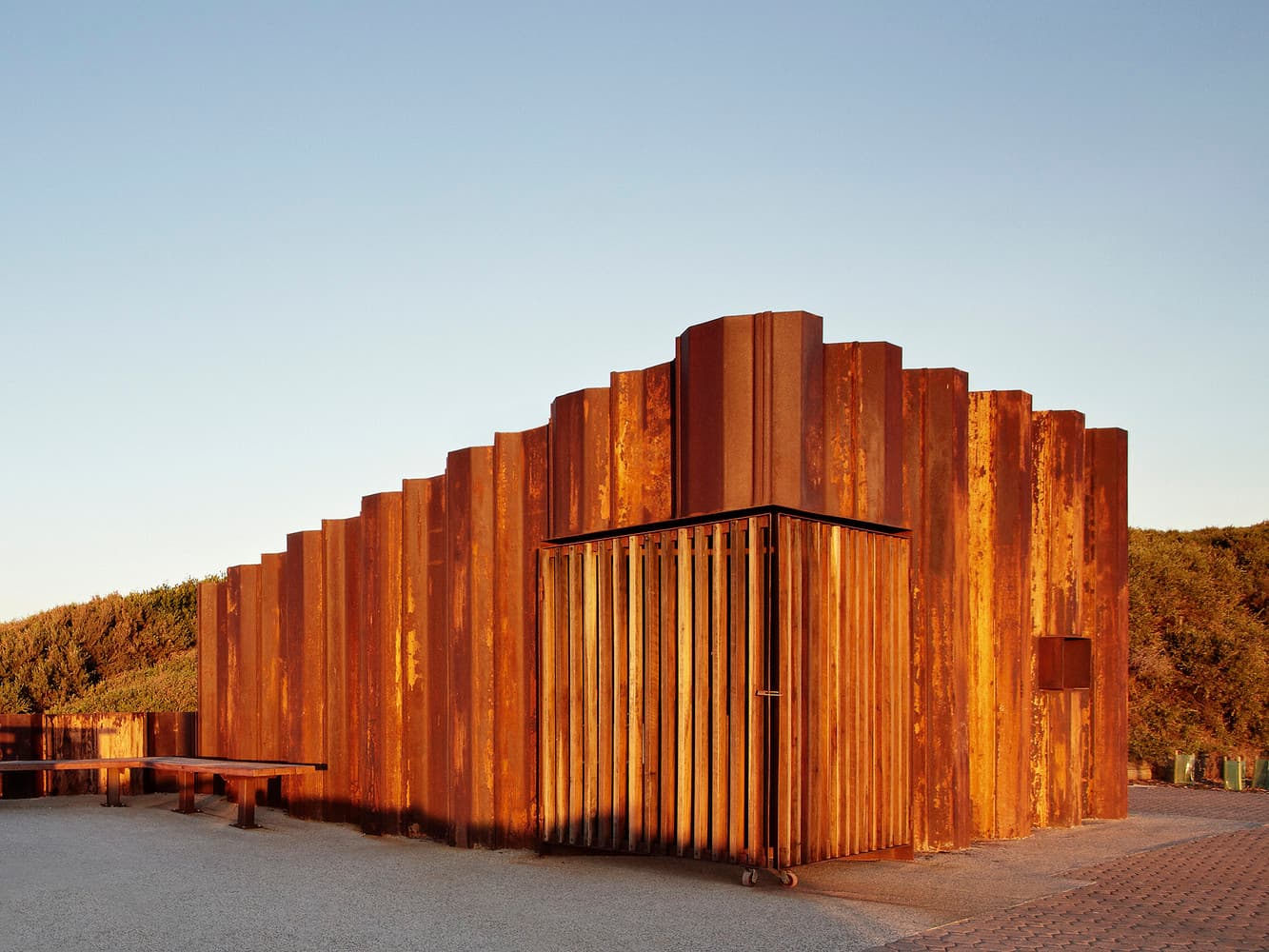
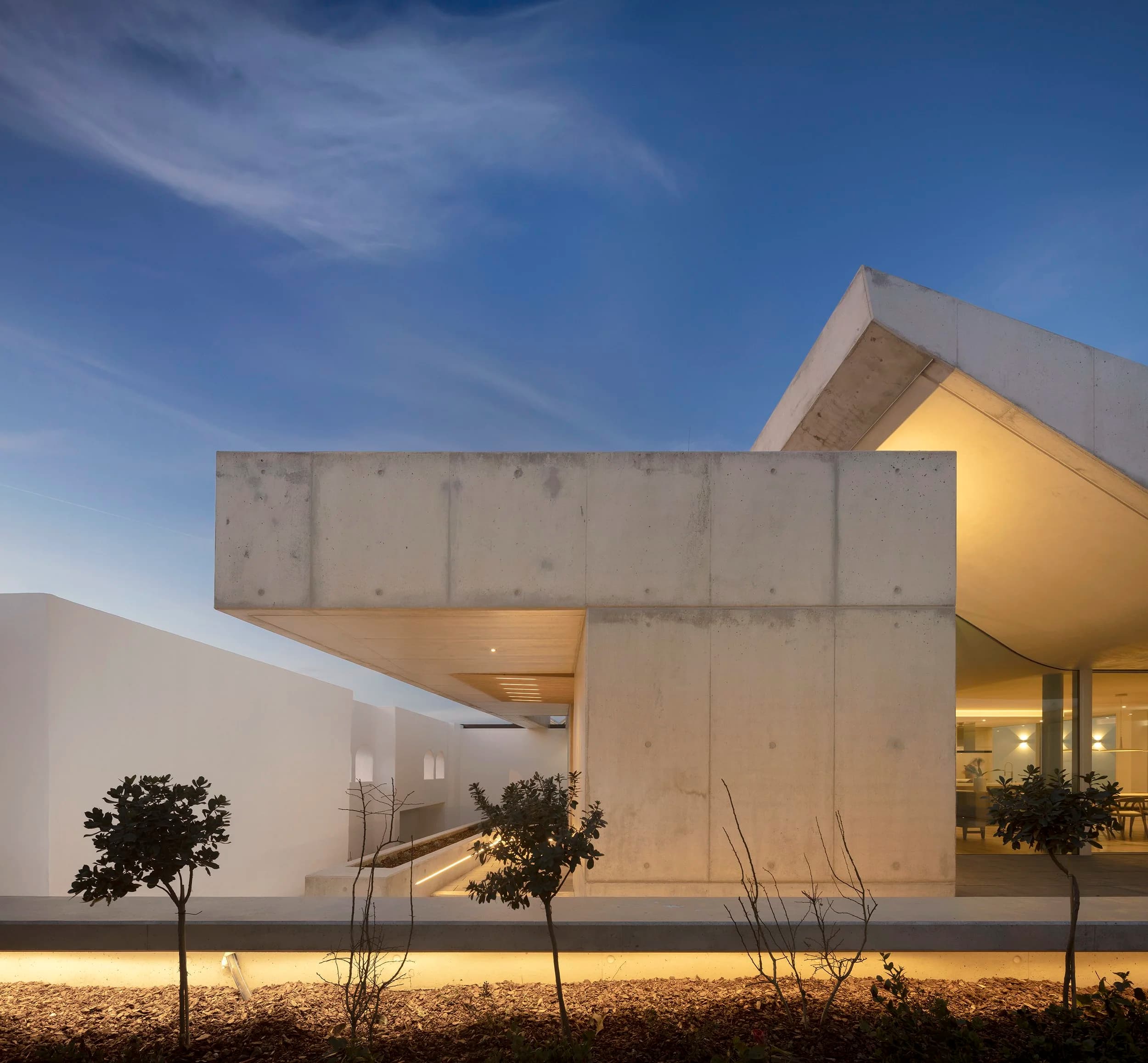
The most durable way to get a stone-texture facade in Thailand is a breathable, water-repellent textured plaster with real mineral aggregates, chosen in a grain size that suits the scale of the building. Fine grain gives a smooth, cut-stone feel. Medium and coarse grain give a stronger, rougher texture that also hides small flaws in the wall.
Texture alone is not enough. A facade in Bangkok, Chiang Mai or Phuket has to deal with strong UV, monsoon rain driven against the wall, and high humidity all year. The binder decides how the wall copes with that.
What Thai weather does to a facade
Three things cause most facade problems here.
- Rain and water ingress. Driving rain soaks into porous render and finds hairline cracks. Water inside the wall leads to damp patches, peeling paint and stains (รั่วซึม).
- Trapped moisture. A coating that seals the wall completely can trap moisture coming from inside or from the ground. It pushes out as blisters and flaking.
- Mould and algae. Warm, damp, shaded walls grow black and green streaks (เชื้อรา), especially on north faces and under trees.
So a good exterior texture needs to repel liquid water, let water vapour escape, and resist mould growth. Hairline cracks (แตกร้าว) in the substrate should be repaired first, because no finish fixes a moving crack.
Intosil Fine and Intosil Medio
Intosil Fine is an acrylic-siloxane textured plaster made from acrylic copolymers, siloxane resins and selected marble and quartz aggregates. It is fine-grain (0.3 to 0.7 mm) and gives a smooth, even finish. The product page says it repels water, lets the wall breathe and resists mould. It is designed for exterior walls and is also suitable for interiors.
Intosil Medio is the medium-grain version of the same plaster, with the same water-repellent, breathable and mould-resistant properties. It gives a richer texture and hides small imperfections in the wall. That makes it a practical choice for older buildings, rendered block walls and large facades seen from the street.
Siloxane is the key here. Siloxane resins make the surface shed water while keeping the pores open enough for vapour to pass, which is what you want in a humid climate.
A coarser stone look: Archi+ Big
Archi+ Big is a coarse-grain lime plaster made from seasoned lime putty, white cement and selected aggregates, for interior and exterior walls. Its bold texture gives a strong, natural look in one coat, and Novacolor positions it for statement walls and modern facades. Choose it when you want the wall to read more like rough stone or raw mineral render than a painted surface. It also suits the raw, industrial style covered in our guide to exterior loft walls.
Pearl sheen outside: Animamundi per Esterni
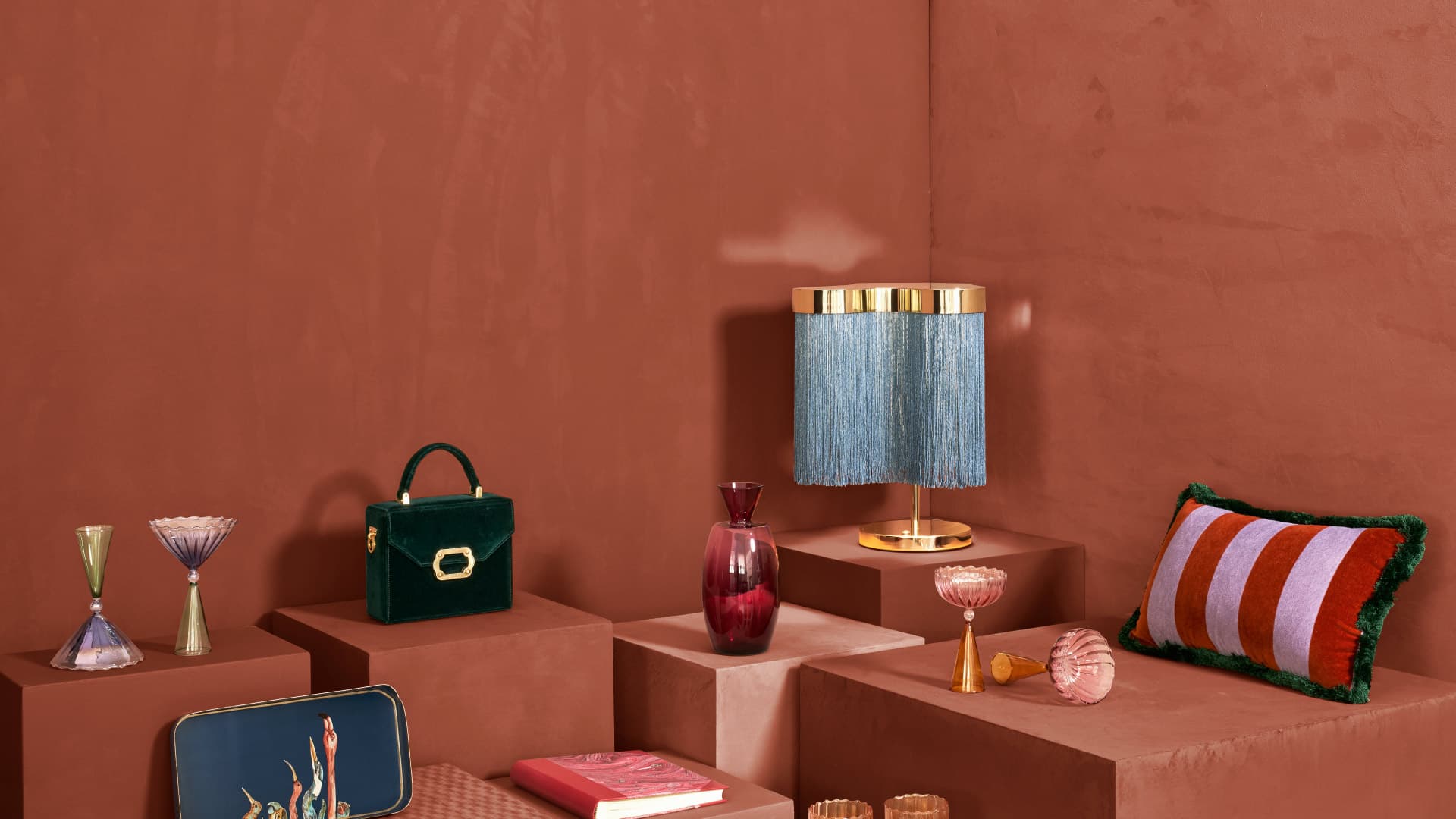
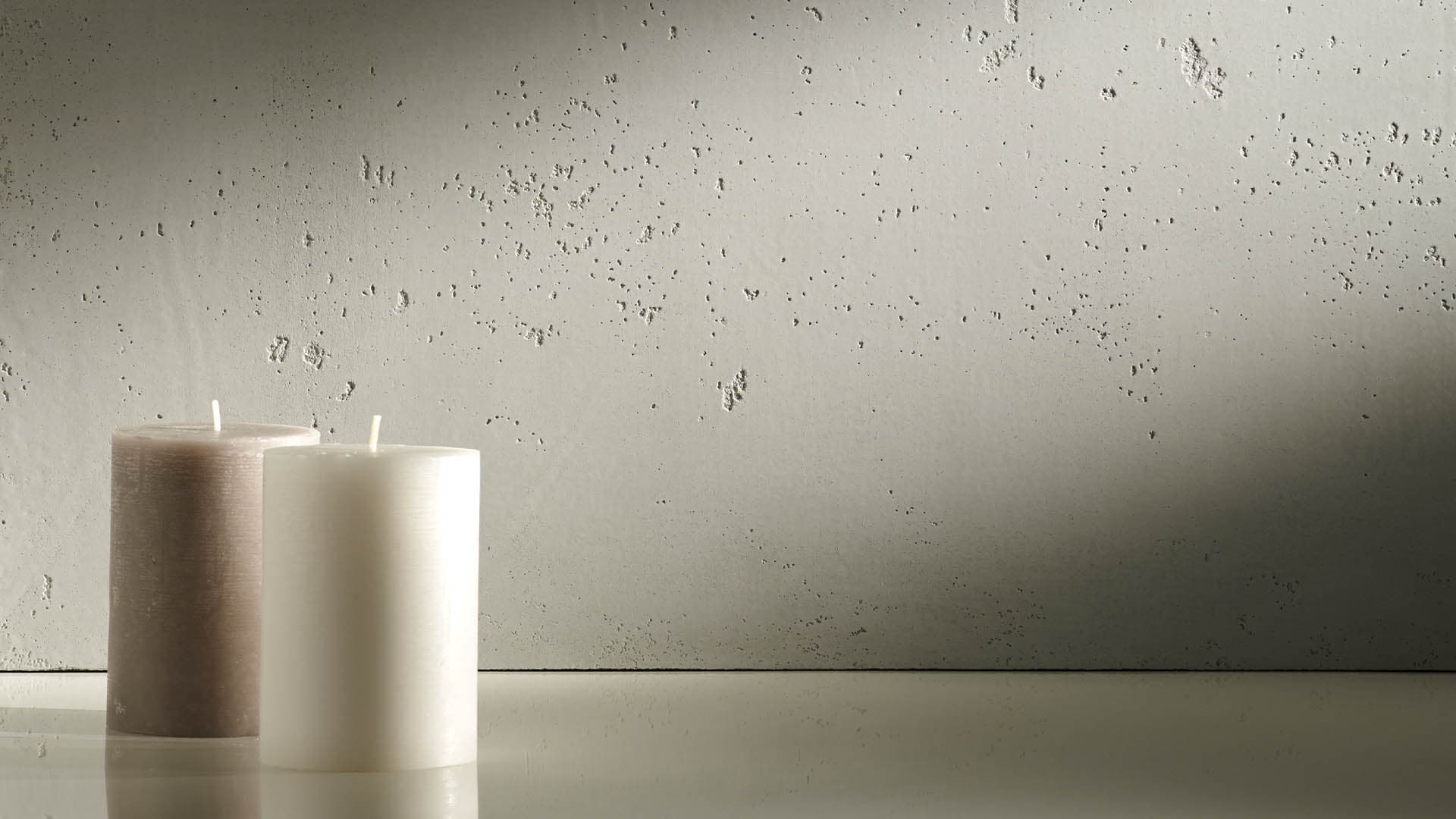
If you want a washed-concrete look with a soft pearl sheen instead of a stone grain, Animamundi per Esterni is made for exterior walls. It is an acrylic-siloxane coating that repels water, lets the wall breathe and has built-in algae resistance. It is applied over the R-Stone Fondo base coat as a complete system.
Choosing a texture
| Product | Look | Binder (per product page) | Where |
|---|---|---|---|
| Intosil Fine | Smooth, even, fine stone | Acrylic-siloxane, marble and quartz aggregates | Exterior, also interior |
| Intosil Medio | Richer medium texture, hides small flaws | Acrylic-siloxane, marble and quartz aggregates | Exterior, also interior |
| Archi+ Big | Bold coarse mineral texture | Lime putty, white cement, aggregates | Interior and exterior |
| Animamundi per Esterni | Washed concrete with pearl sheen | Acrylic-siloxane, over R-Stone Fondo | Exterior |
A simple rule: the bigger the wall and the further people stand from it, the coarser the grain can be. Fine textures suit entrance walls, gate pillars and areas seen up close. Coarse textures suit tall facades and boundary walls.
For interior stone looks, Archi+ Pietra and Archi+ Pietra Intonaco are natural hydraulic lime plasters with an architectural stone look. Their product pages describe them for interior walls only, so do not use them on a facade.
Preparation matters as much as the finish
- Repair cracks and let new render cure before applying a finish.
- Clean off old mould and treat the wall before coating.
- Check roof edges, window sills and drip details. Water running down the same spot will mark any finish.
- Primer, number of coats and coverage are set out in each technical data sheet. Ask Dyno to confirm the system for your substrate.
Getting it done in Thailand
Exterior texture is hard to judge from a small chip, so ask Dyno for a larger sample, or look at finishes in person at the Bang Phli showroom in Samut Prakan, Monday to Friday, 08:00 to 17:00. Prices are on request and depend on the wall area and condition. Dyno can tint to the Novacolor colour system and its own crews supply and apply across Thailand, including surface preparation. Call 02-738-4111, message LINE @dynopaints or email marketing@dynopaints.com.
Frequently asked questions
What is the best texture finish for an exterior wall in Thailand?
Look for a textured plaster that repels water, lets the wall breathe and resists mould. Intosil Fine and Intosil Medio are acrylic-siloxane plasters with these properties stated on their product pages.
What is the difference between Intosil Fine and Intosil Medio?
They are the same plaster in different grain sizes. Fine (0.3 to 0.7 mm) gives a smooth, even finish. Medio is medium-grain, with a richer texture that hides small flaws.
Can I use Archi+ Pietra on a facade?
No. The product page describes Archi+ Pietra and Archi+ Pietra Intonaco for interior walls. For a facade, use Intosil Fine, Intosil Medio or Archi+ Big.
Will a stone-texture plaster stop a wall from leaking?
A water-repellent finish helps the wall shed rain, but cracks, sills and roof edges must be repaired first. Ask Dyno to check the substrate before choosing a system.